Stock Market Volatility Outlook for 2026: A Strategic Forecast for Investors

Introduction to the 2026 Market Landscape
As we approach the middle of the decade, the global financial landscape continues to evolve under the influence of shifting monetary policies, technological breakthroughs, and geopolitical transitions. Understanding the stock market volatility outlook for 2026 is essential for institutional and private investors aiming to mitigate risk and capitalize on emerging opportunities. This report provides a professional analysis of the factors expected to drive market fluctuations throughout the 2026 fiscal year.
Macroeconomic Drivers and Interest Rate Equilibrium
By 2026, the global economy is anticipated to have moved past the aggressive inflation-targeting cycles seen in the early 2020s. However, the transition to a “new normal” regarding interest rates is likely to be a primary source of volatility. Central banks, including the Federal Reserve and the European Central Bank, may find themselves balancing the fine line between maintaining growth and preventing a resurgence of inflationary pressures.

Inflationary Expectations and Labor Markets
Labor market dynamics are expected to remain a critical variable. As workforce demographics shift and automation becomes more integrated, wage-push inflation could introduce periodic spikes in market volatility. Investors should closely monitor productivity data, as it will determine whether corporate margins can withstand higher operating costs without triggering sell-offs.
The Impact of Technological Integration on Market Stability
The year 2026 will likely represent a period where Artificial Intelligence (AI) and machine learning are no longer just speculative themes but core drivers of corporate earnings. While these technologies offer the potential for immense productivity gains, they also introduce unique volatility risks through algorithmic trading and high-frequency execution.
- Algorithmic Complexity: Automated trading systems may amplify market swings during periods of uncertainty, leading to localized flash crashes or rapid price corrections.
- Sector Rotation: As AI matures, we anticipate significant capital rotation from traditional sectors into tech-heavy industries, creating volatility in legacy indices.
Geopolitical Considerations and Global Trade
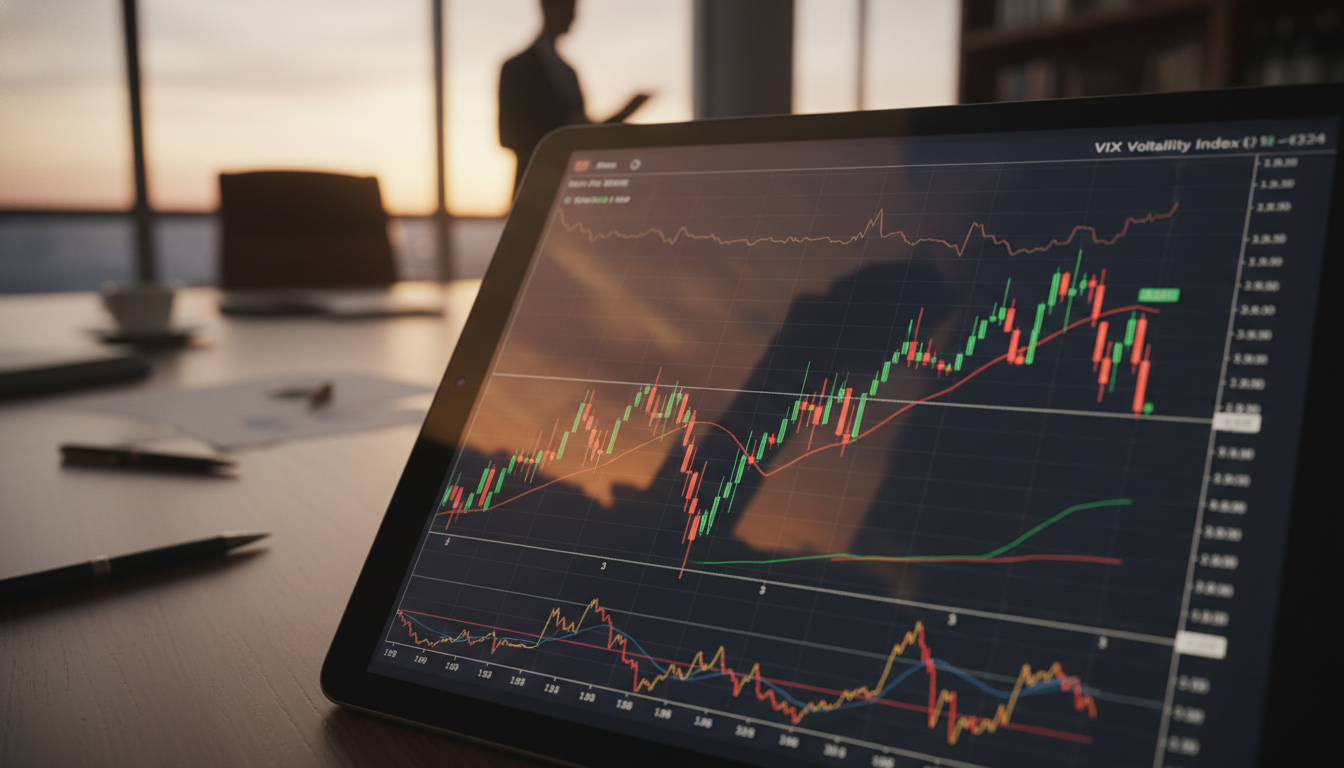
Geopolitical stability remains a wildcard in any long-term financial forecast. In 2026, the focus will likely remain on trade relations between major economies and the security of global supply chains. Any disruption in the semiconductor industry or energy markets could lead to immediate and sharp increases in the Volatility Index (VIX).
Conclusion and Strategic Recommendations
The stock market volatility outlook for 2026 suggests a year characterized by structural transitions rather than cyclical crises. While the baseline expectation is for moderate growth, the underlying volatility driven by technology and geopolitics requires a disciplined approach. Diversification across asset classes and a focus on quality earnings will be paramount for navigating the complexities of the 2026 market environment. Investors are encouraged to maintain a long-term perspective while utilizing hedging strategies to protect against short-term market turbulence.